
Blog
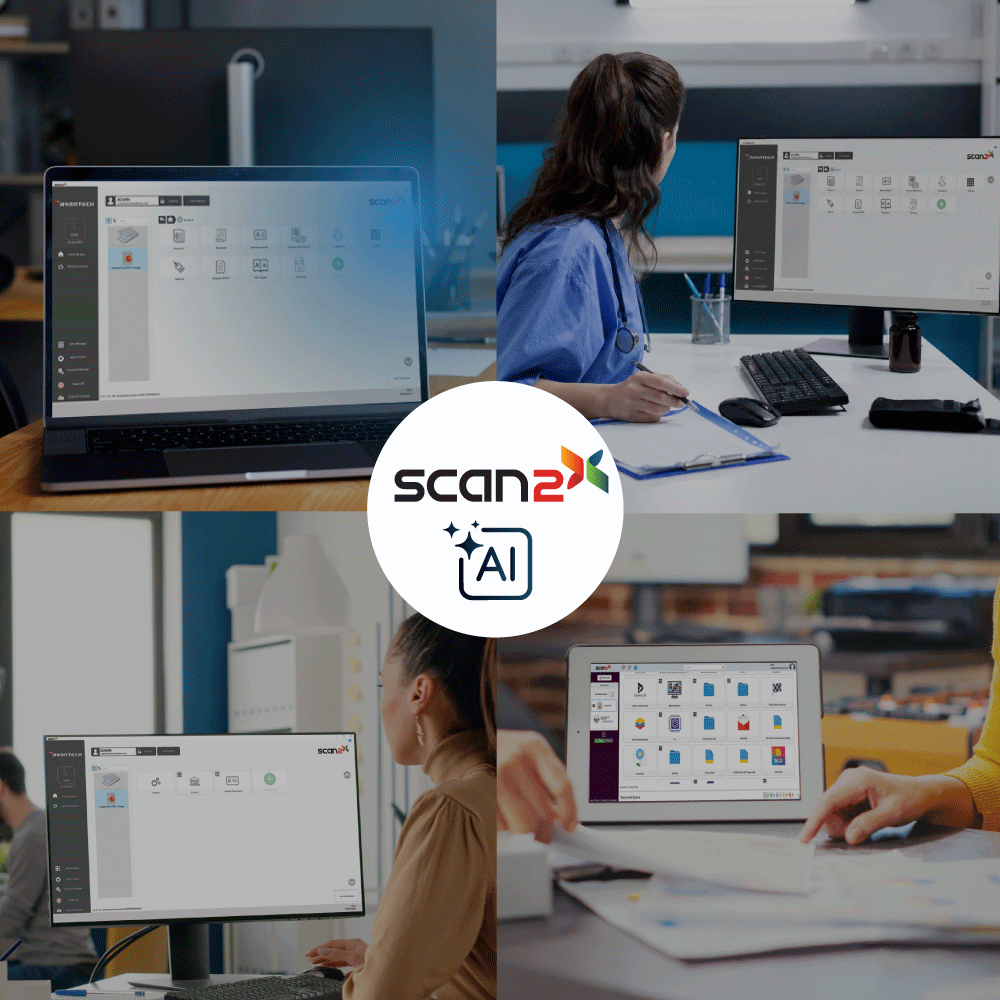
One Intelligent Platform, Endless Possibilities: How Scan2x Transforms Document Processing Across Every Industry
Every business runs on documents. Although industries operate differently, they all have one thing in common: they depend on information. Banks process loan applications and financial documents. Governments manage citizen records and administrative forms. Manufacturers rely on purchase orders, invoices and quality documentation. Healthcare providers handle patient records. Insurance companies process claims. Airlines manage maintenance

Eliminating Manual Errors: Why AI-Driven Document Processing Is Becoming a Business Necessity
Every organisation talks about digital transformation, but many business processes still rely heavily on manual work. Employees continue to enter invoice details into accounting systems, verify customer information, classify contracts, review forms and move documents between departments. While these tasks may appear routine, they introduce one of the biggest challenges facing modern organisations: human error. A mistyped customer number. An

Optimising Document Management with Scan2x and Therefore™ DMS
In today's digital-first business environment, organisations are managing an ever-growing volume of documents. From invoices and contracts to customer records, compliance documents and correspondence, information flows continuously through every department. While many businesses have implemented document management systems to store and organise this information, the real challenge often begins long before a document reaches its final destination. Capturing documents accurately, extracting relevant information, applying
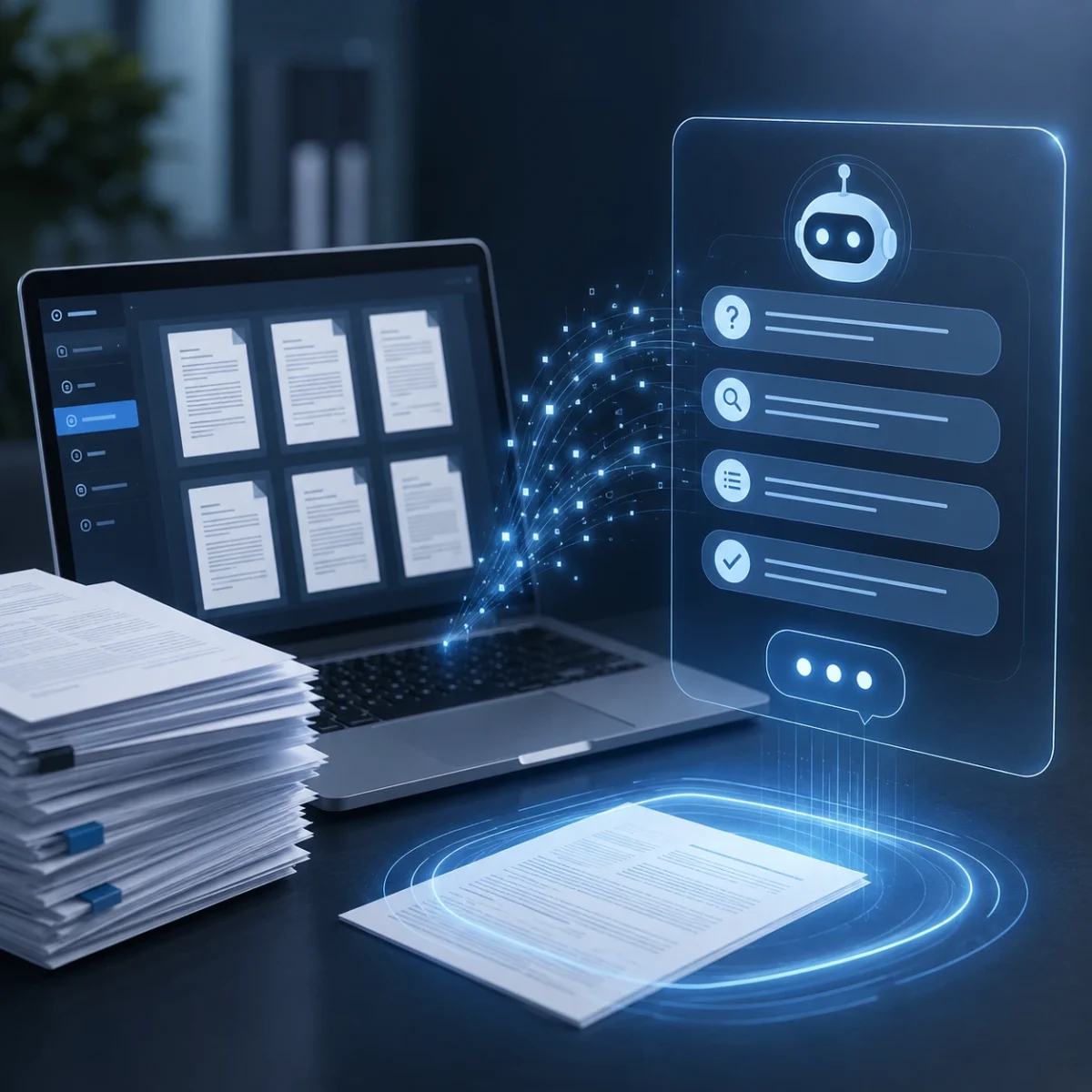
Turning Documents into Conversations: How NLQ in Scan2x Redefines Intelligent Document Processing
Turning Documents into Conversations: How NLQ in Scan2x Redefines Intelligent Document Processing For years, organisations have invested heavily in digitising their documents. Scanning, storing, indexing and archiving have become standard practice across industries, helping businesses transition from paper-based operations to digital workflows. Yet despite these advancements, one key challenge remains: once documents are captured, how